Japan Food Guide
What does matcha actually taste like?
An honest, first-timer-friendly breakdown — the umami, the bitterness, the grass — and how to drink it so you actually enjoy it.
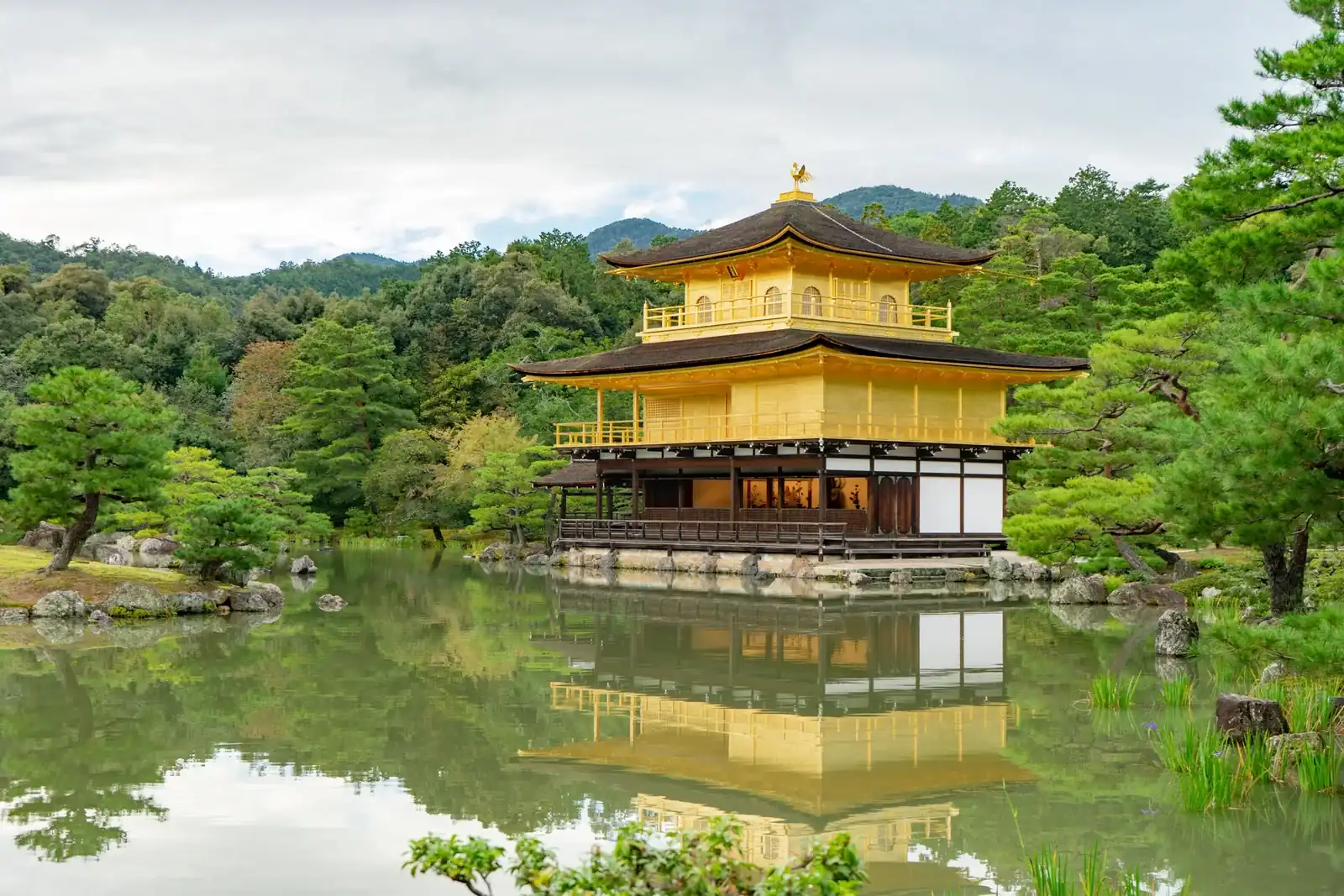
Matcha & Japan
Earthy, savoury, gently bitter — and nothing like a sugary latte until you add milk
The short answer
Earthy umami, a whisper of bitter, a lot of green
Picture concentrated green tea — then make it smoother, savoury and a little creamy. Matcha is a flavour of layers, and almost every first-timer underestimates how complex it is.
If you’ve only had matcha lattes from a café chain, the real thing is a surprise. Whisked matcha tastes like a savoury, grassy green tea with a clean herbal bitterness and a smooth, almost brothy depth (umami). It isn’t sweet on its own — the sweetness you remember from lattes comes from the milk and sugar. Done right, the bitterness stays subtle and the finish is clean, leaving a pleasant green aftertaste that makes you want another sip.
01 · Taste profile
Six flavours, one bowl
Rated 0–10. Every real bowl of matcha hits each of these to some degree.
Umami
9/10
The savoury depth that makes real matcha feel rich, brothy and satisfying — not sweet, but deeply flavourful.
Bitterness
6/10
A clean, herbal bitterness. Ceremonial grades are gentle; culinary grades and long steeps get noticeably more bitter.
Sweetness
4/10
Almost no sugar sweetness — more a natural, milky roundness that appears when whisked with water or milk.
Vegetal / Grassy
8/10
Fresh, green, slightly grass-like notes — the signature 'tastes like green tea, but concentrated' sensation.
Creaminess
7/10
Not literally creamy, but whisked matcha has a smooth, almost velvet mouthfeel, especially in lattes.
Astringency
5/10
A dry, slightly mouth-drying edge on the finish. Great matcha has a quick, clean astringency — not a lingering harsh one.
02 · Ways to try it
Where you’ll meet matcha
Each form changes the taste. Start mild, work up to the intense stuff.
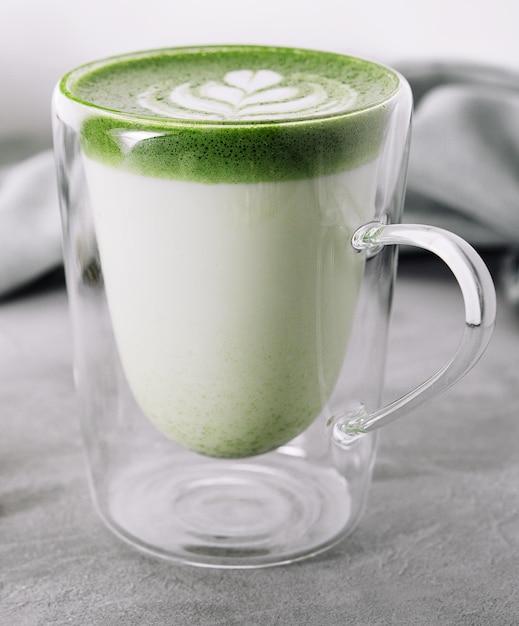
Matcha latte
Cafés everywhere
Milk tames the bitterness and brings out a toasty-sweet, creamy balance. The easiest entry point for newcomers.
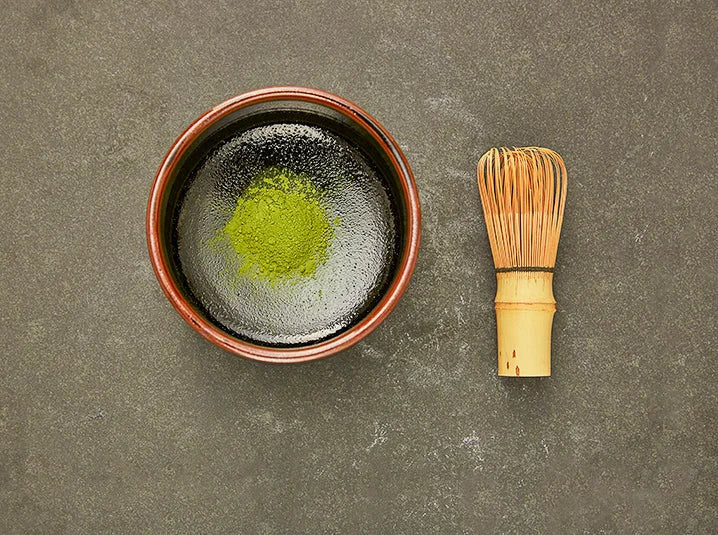
Usucha (thin tea)
Tea houses & ryokan
The traditional everyday way — whisked with hot water, served lightly. Lean, grassy, and quietly energising.
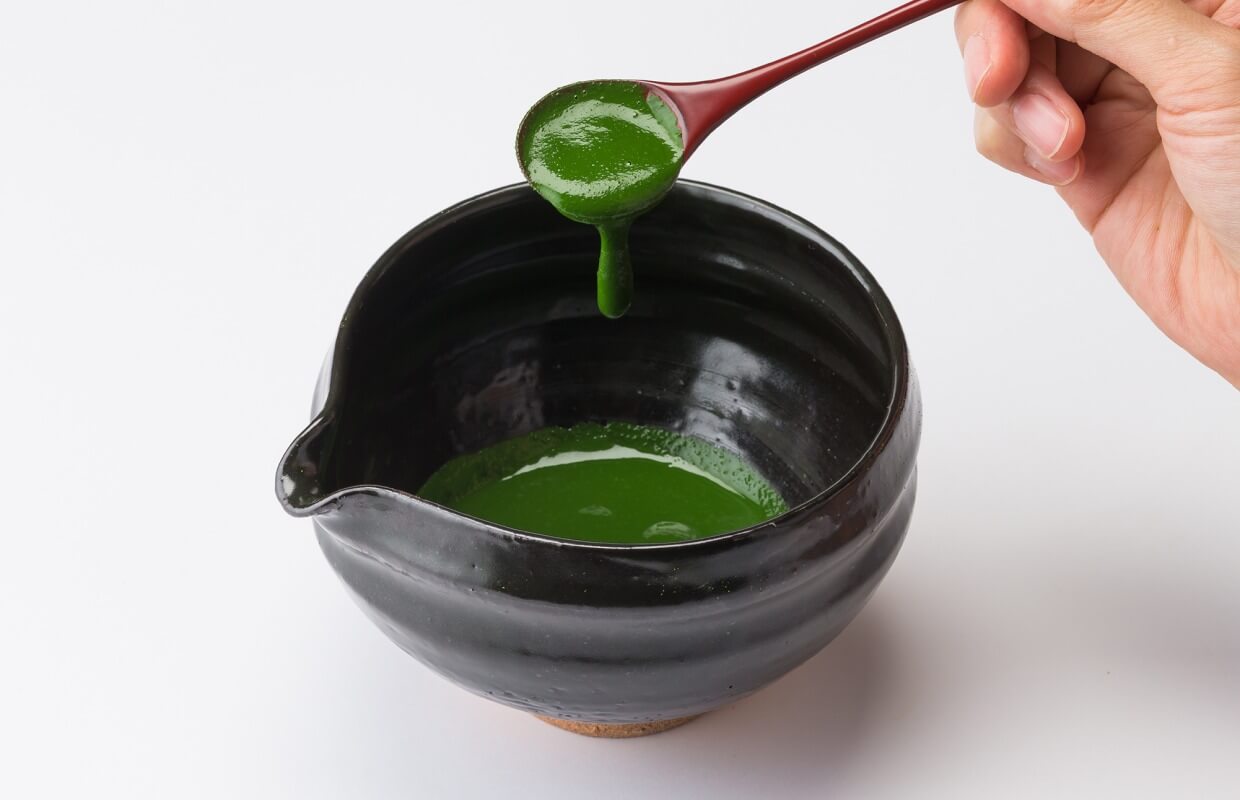
Koicha (thick tea)
Tea ceremony
A concentrated, almost soup-like paste. Intensely umami and bittersweet — the connoisseur's version.
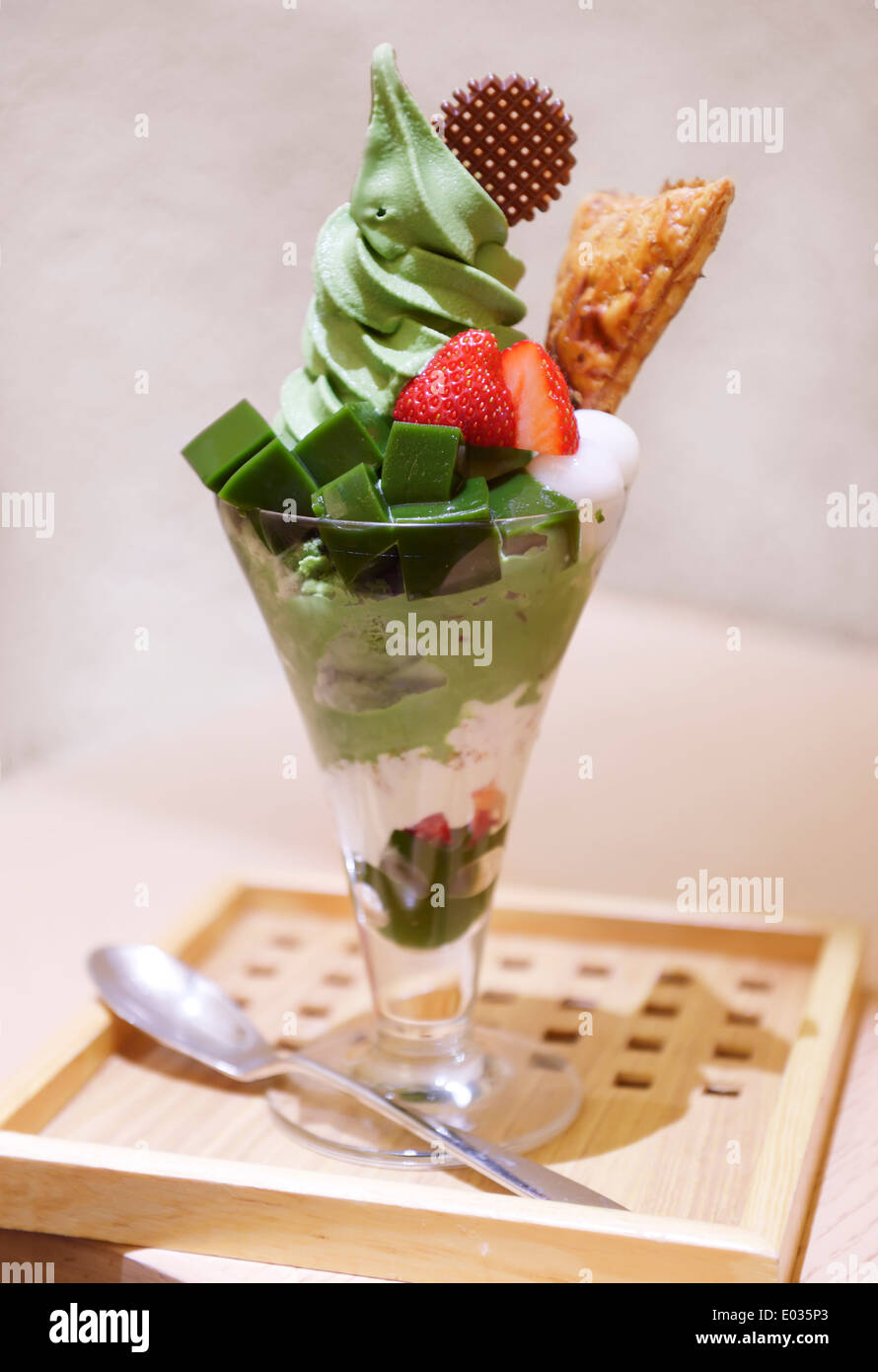
Matcha desserts
Japan-wide
Ice cream, parfaits, mochi and castella. Sugar balances the green bitterness into something addictive.
03 · FAQ
The questions everyone asks
What does matcha taste like?
Matcha tastes like a concentrated green tea: earthy and savoury (umami), gently bitter, with fresh grassy and slightly sweet green notes. It's far less sweet than people expect, and more complex — somewhere between brewed green tea and a smooth, creamy broth.
Does matcha taste bitter?
Good ceremonial-grade matcha has only a light, pleasant bitterness balanced by umami and natural sweetness. Cheaper culinary grades, or matcha steeped too long or too hot, can taste harshly bitter and astringent.
Is matcha sweet?
Matcha itself contains almost no sugar. The perceived sweetness is subtle and savoury — more of a milky, round smoothness — which is why matcha lattes and desserts add sweeteners to balance the green flavour.
Why does matcha taste so different from regular green tea?
Regular green tea is steeped from leaves, so most of the flavour stays in the water briefly. Matcha is the whole leaf, ground into a powder and whisked in — you drink every particle, which makes the umami, bitterness and grassy notes far more intense.
What does good quality matcha taste like?
Premium ceremonial matcha tastes bright, smooth and deeply umami, with minimal bitterness and a lingering, slightly sweet green finish. Lower-grade matcha leans more bitter, dusty and astringent.
Taste it for real
The best matcha is drunk in Japan
Kyoto’s Uji district is matcha’s spiritual home. Figure out exactly when to visit Kyoto (and where else to go) with our free region guides and quiz.