Festivals
Japanese Festivals Calendar
Plan your trip around Japan's famous seasons and celebrations --- or avoid the peaks --- with exact dates and crowd predictions for 2026.
How to Use This Calendar
How to Use
Red marks the extreme peaks — genius crowds, packed trains, and a real price surge. Amber means it's manageable with a little planning. Green is the calm, low-cost sweet spot. For empty temples and thin wallets, aim for mid-to-late June or throughout September.
8 Major Festivals & Seasons in 2026
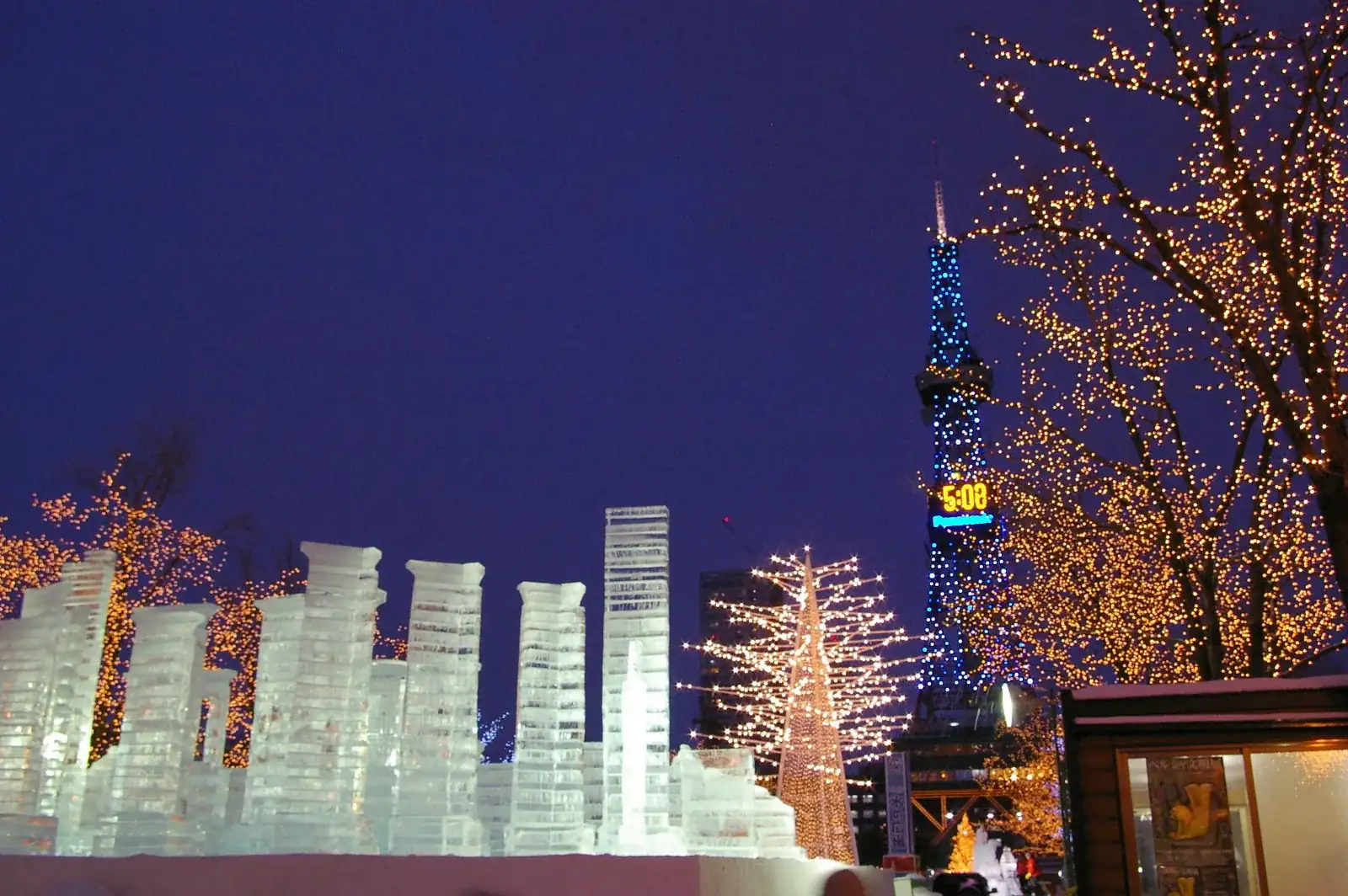
Sapporo Snow Festival
High crowdsEarly Feb 2026 * ~1 week
Hokkaido's centerpiece winter event: hundreds of giant ice and snow sculptures, huge illuminated displays, and snow slides along Odori Park.
Travel Tips
- Bundle up — it's -10°C or below. Visit at night for the glow, and morning to dodge the biggest crowds.
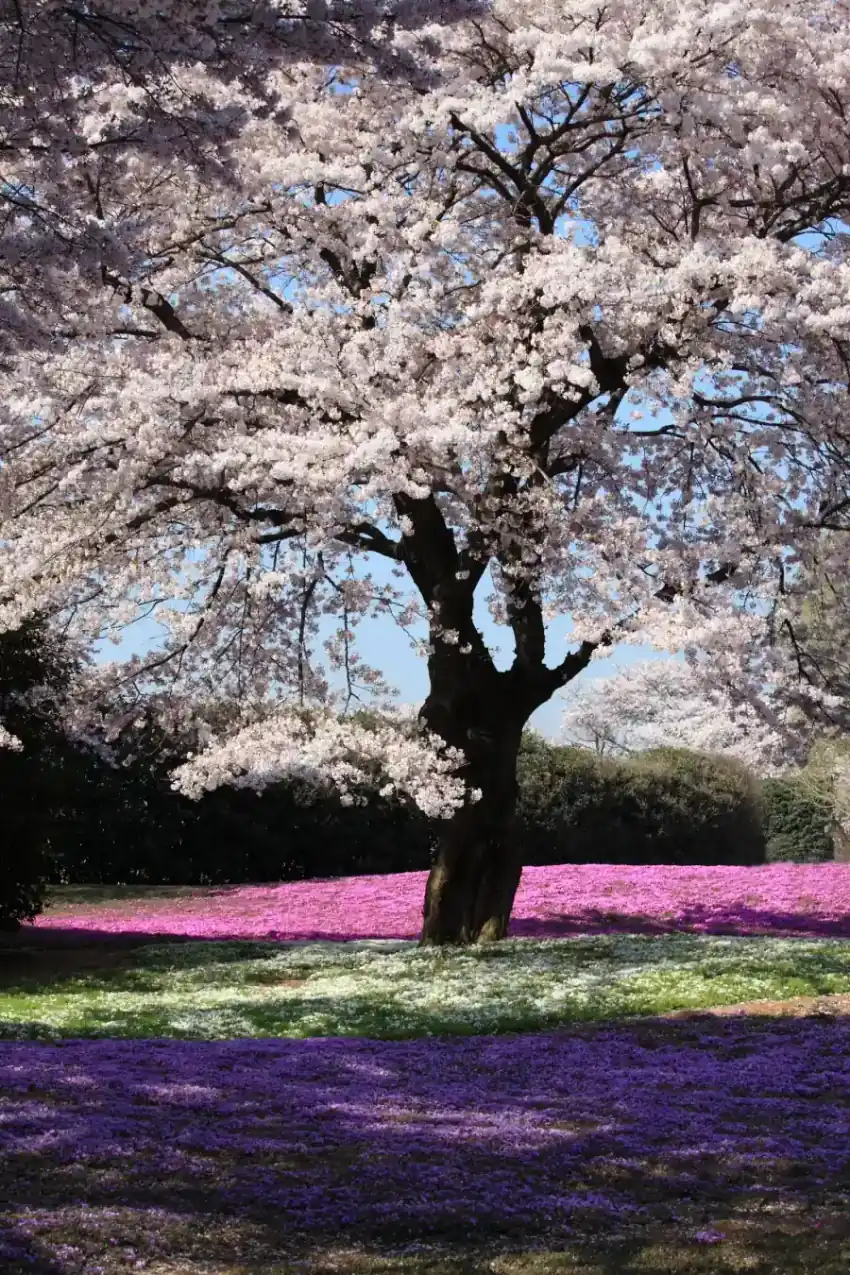
Cherry Blossom (Sakura)
Extreme crowdsLate Mar - Early Apr In Tokyo * ~1-2 weeks
Japan's iconic season. Hanami picnics under blooming sakura in Ueno, Chidorigafuchi, and Kyoto's rivers. The 'sakura front' sweeps north from Kyushu to Hokkaido.
Travel Tips
- Time it by tracking the official sakura forecast (published ~2 weeks ahead). Ueno and Philosopher's Path at 7 AM are bliss.
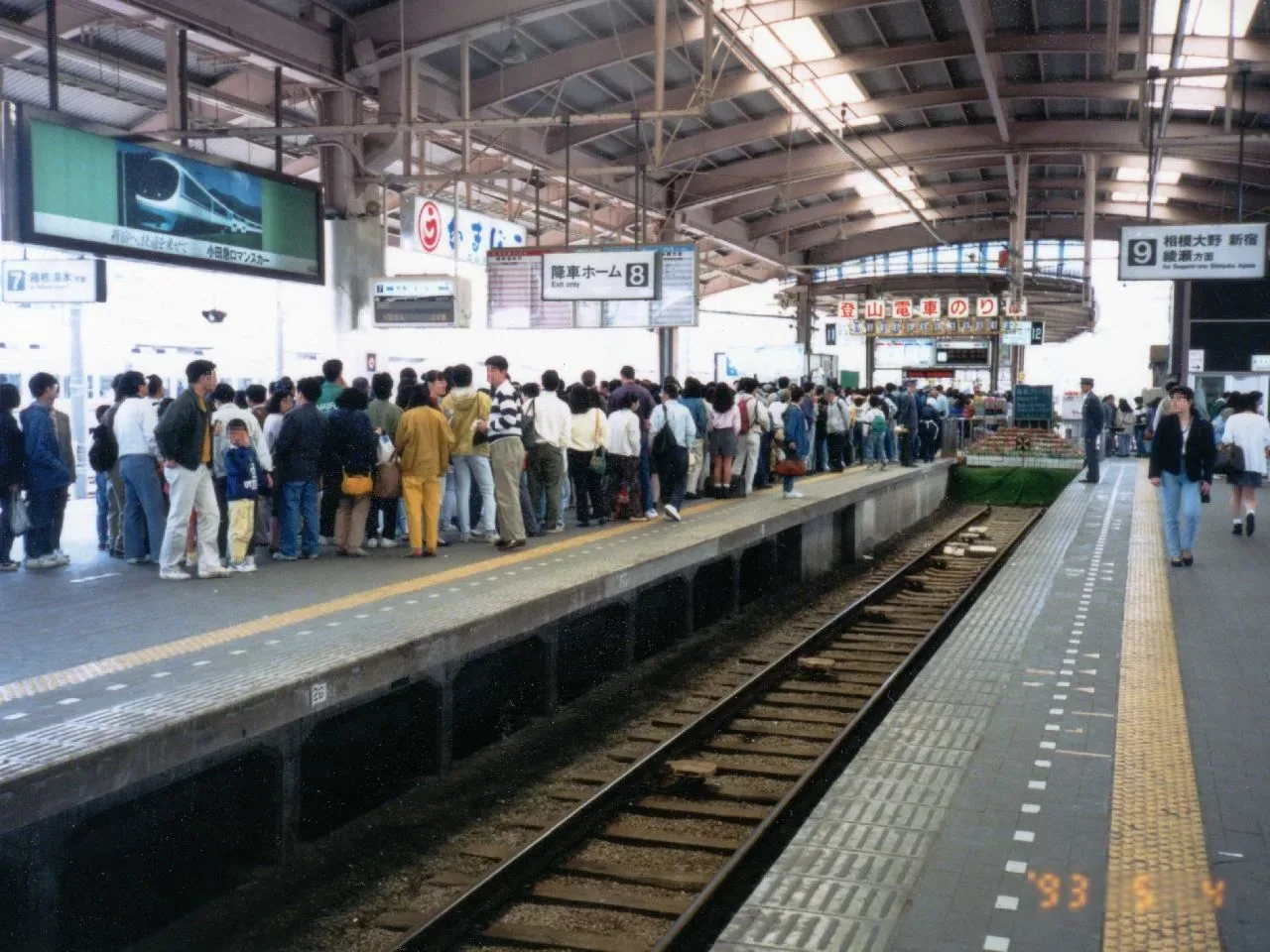
Golden Week
Extreme crowdsApr 29 - May 5 2026 * 7 days
Four national holidays in one week — Japan's biggest travel period. Bullet trains sell out, hotels triple in price, and every attraction is packed.
Travel Tips
- Avoid at all costs if you can.
- Travel the week after (May 6-) for perfect spring weather with the crowds gone.
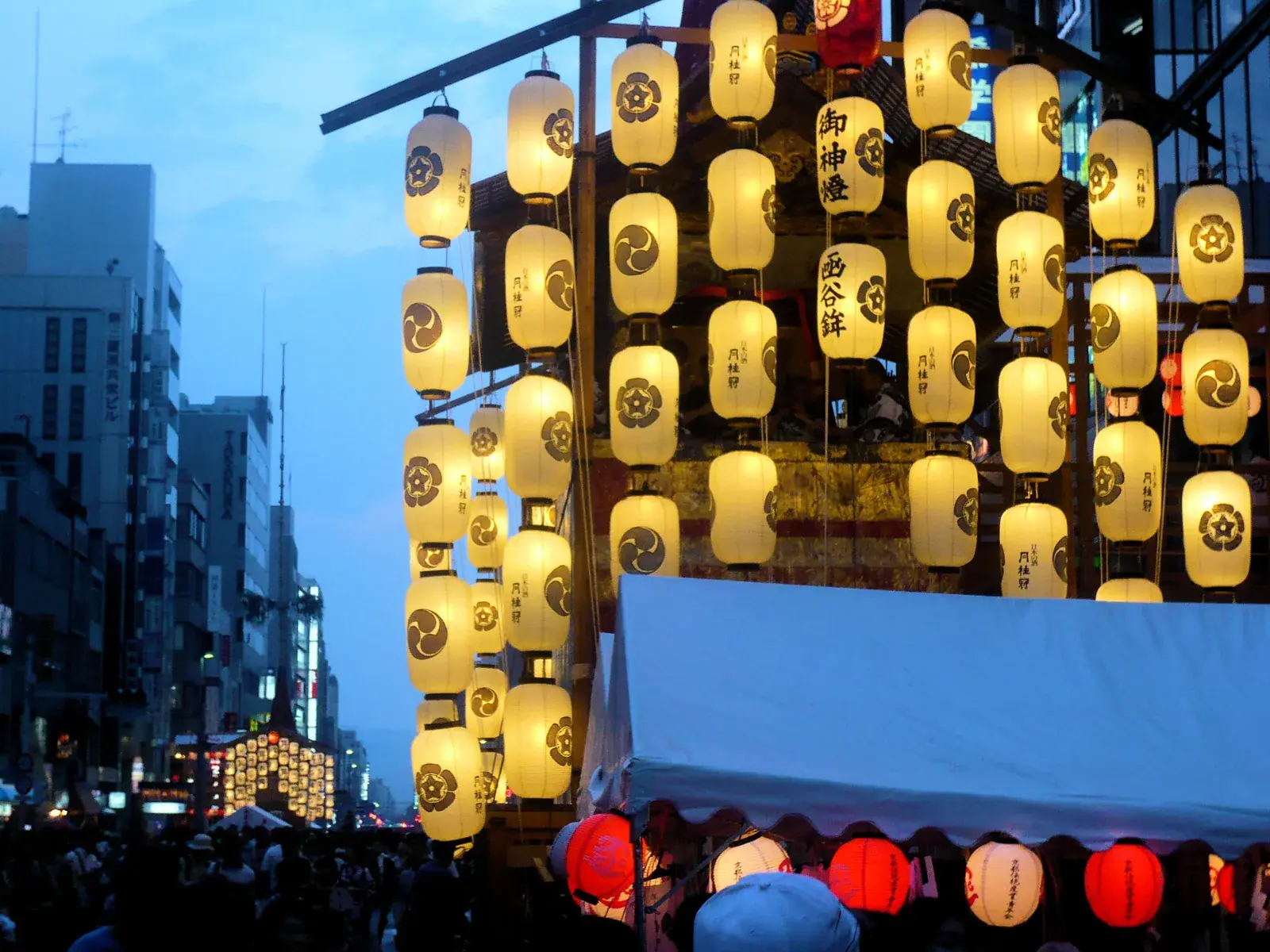
Gion Matsuri
KyotoHigh crowdsJuly 2026 * All month
One of Japan's three great festivals. The famous yamaboko floats parade through Kyoto on July 17, preceded by evening 'Yoiyama.'
Travel Tips
- The floats parade twice — July 17 (front) and July 24 (after).
- Book a hostel with a river view or spare the crowds at the Gion area.
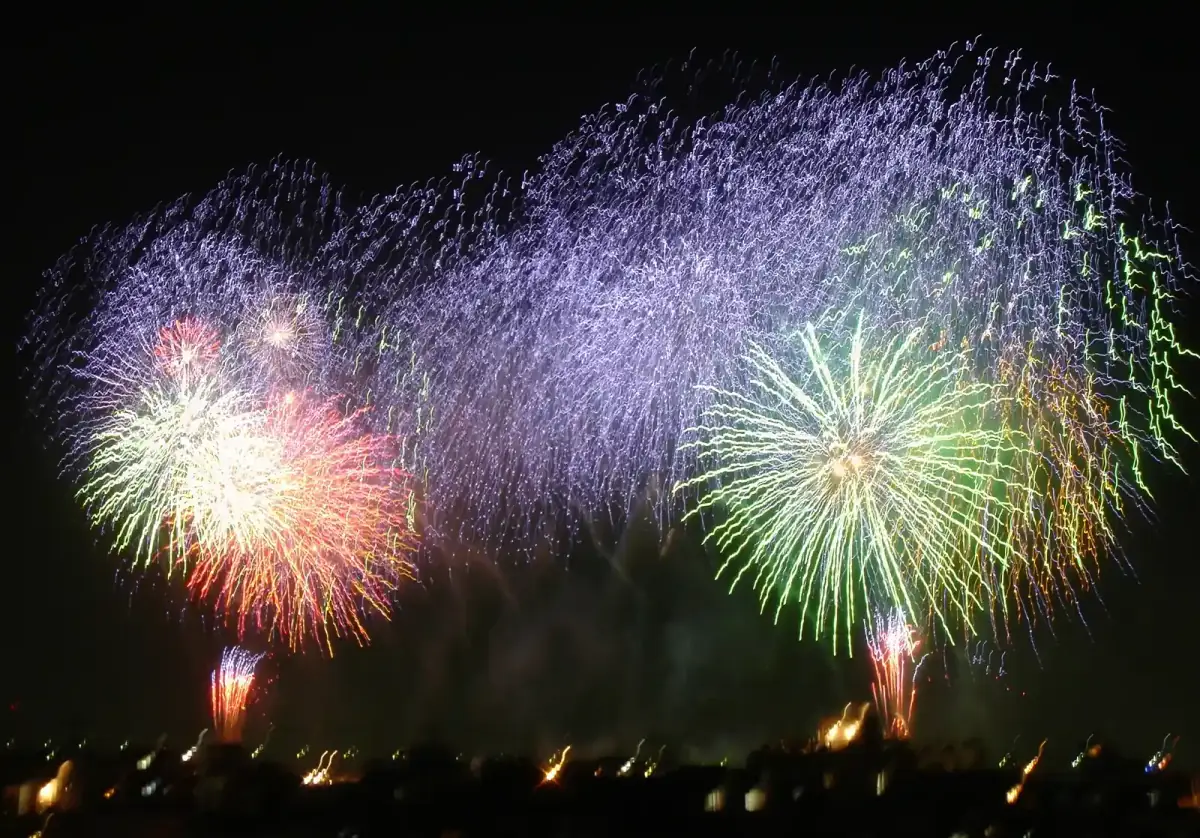
Hanabi (Fireworks)
High crowds* Evenings
Japan's summer obsession. Massive hanabi displays light up rivers and bays from Tokyo's Sumida River to Osaka's Yodo River — often with 500,000+ spectators.
Travel Tips
- Reserve a riverside spot early or book a river cruise.
- Check the local 'hanabi taikai' calendar to plan your route.
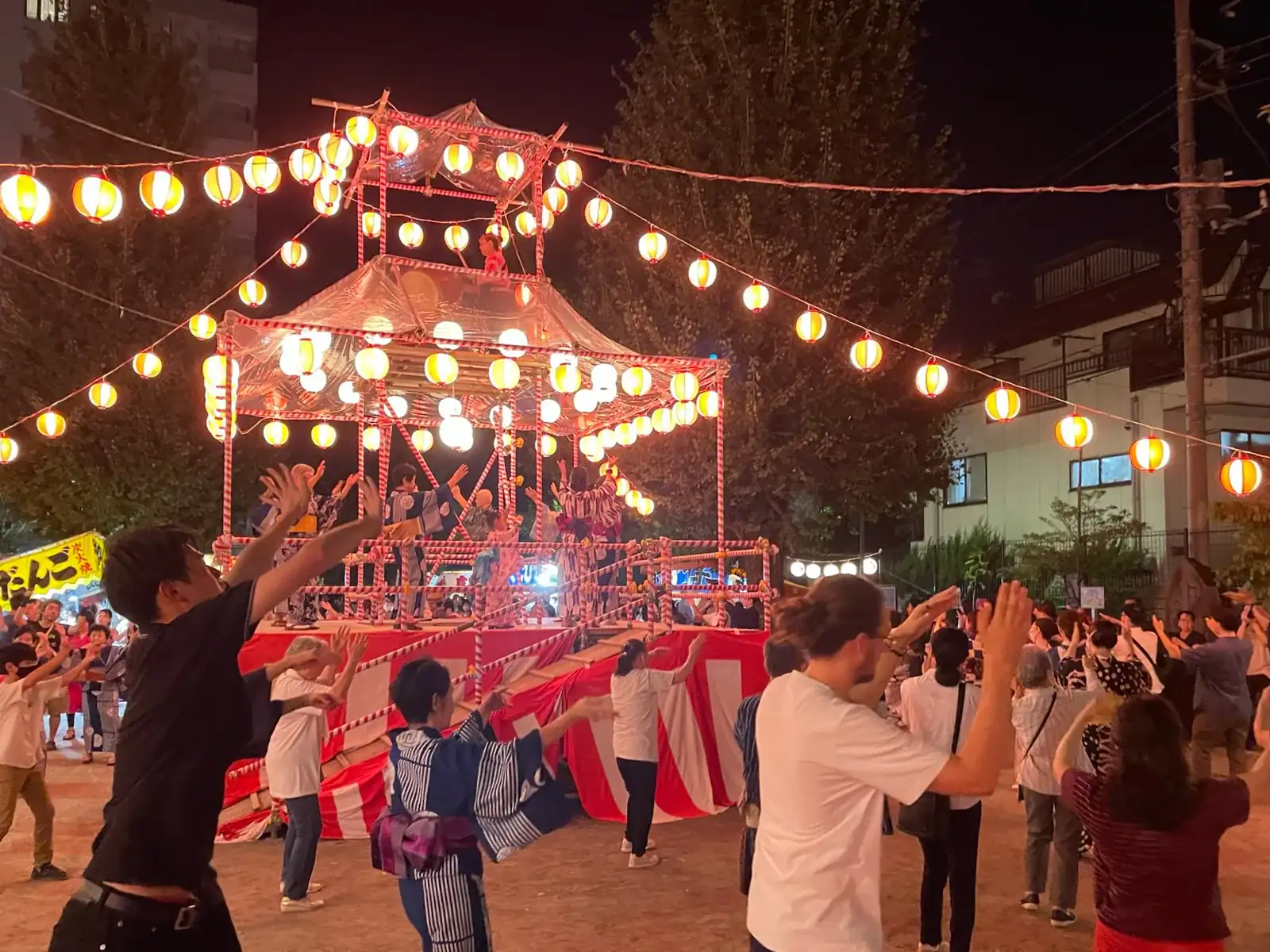
Obon Week
Extreme crowdsMid August 2026 * 1 week
The Buddhist festival honoring ancestors. Families return to their hometowns — the second biggest travel rush of the year, alongside lantern-dropping ceremonies.
Travel Tips
- Book everything 2-3 months ahead or travel in the days after Obon.
- Witness a float lantern ceremony (Toronagashi) in Kyoto or Miyagi.
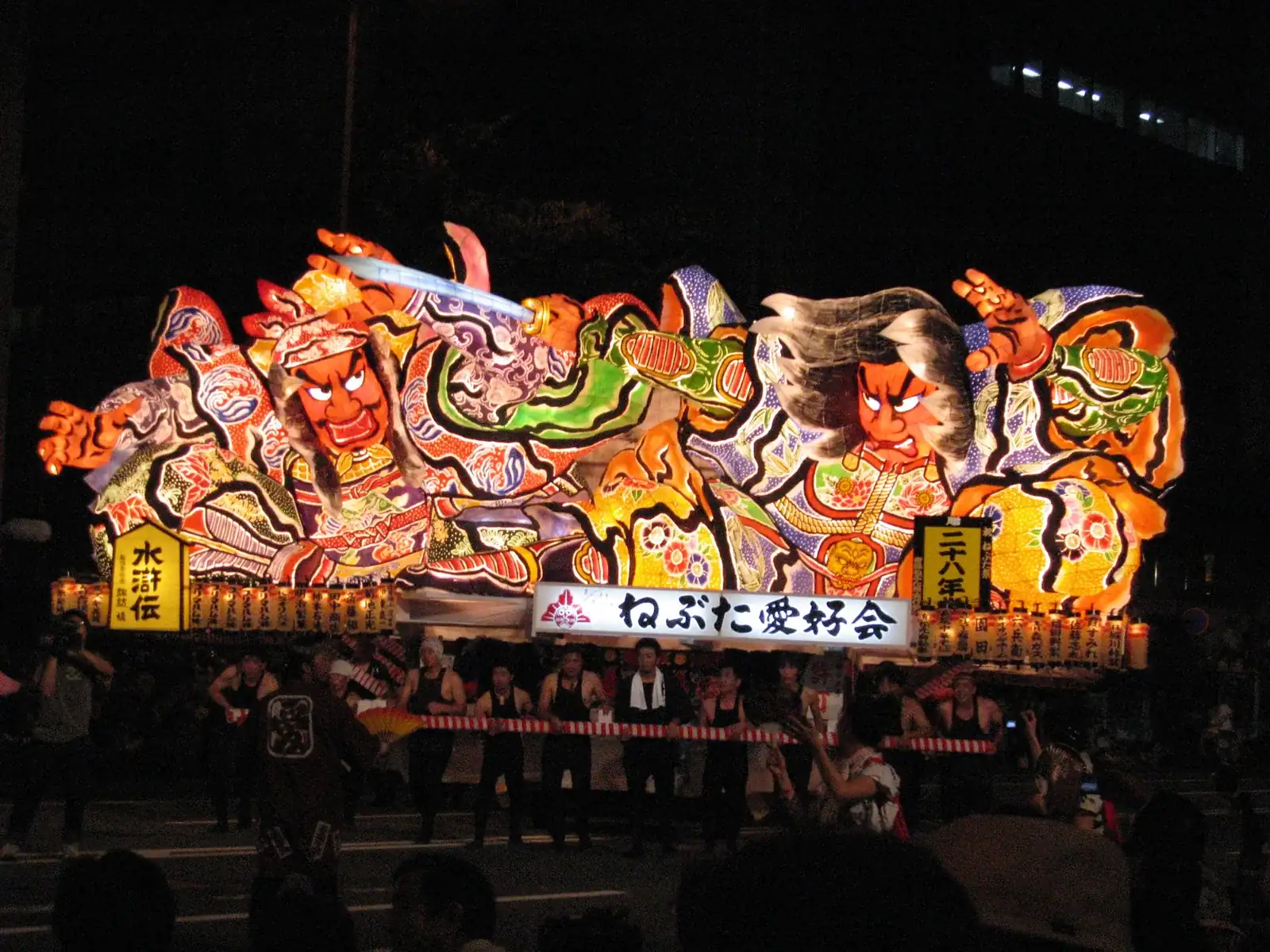
Aomori Nebuta Matsuri
Aomori CityHigh crowdsAug 2-7 2026 * 6 days
Tohoku's loudest event: dozens of massive, painted paper battle floats lit from within, danced through Aomori's streets at night to drums and flutes.
Travel Tips
- Catch the 'haneto' dancers — spectators are welcome to join.
- Seats sell out early in summer; a street-side vantage is unforgettable.
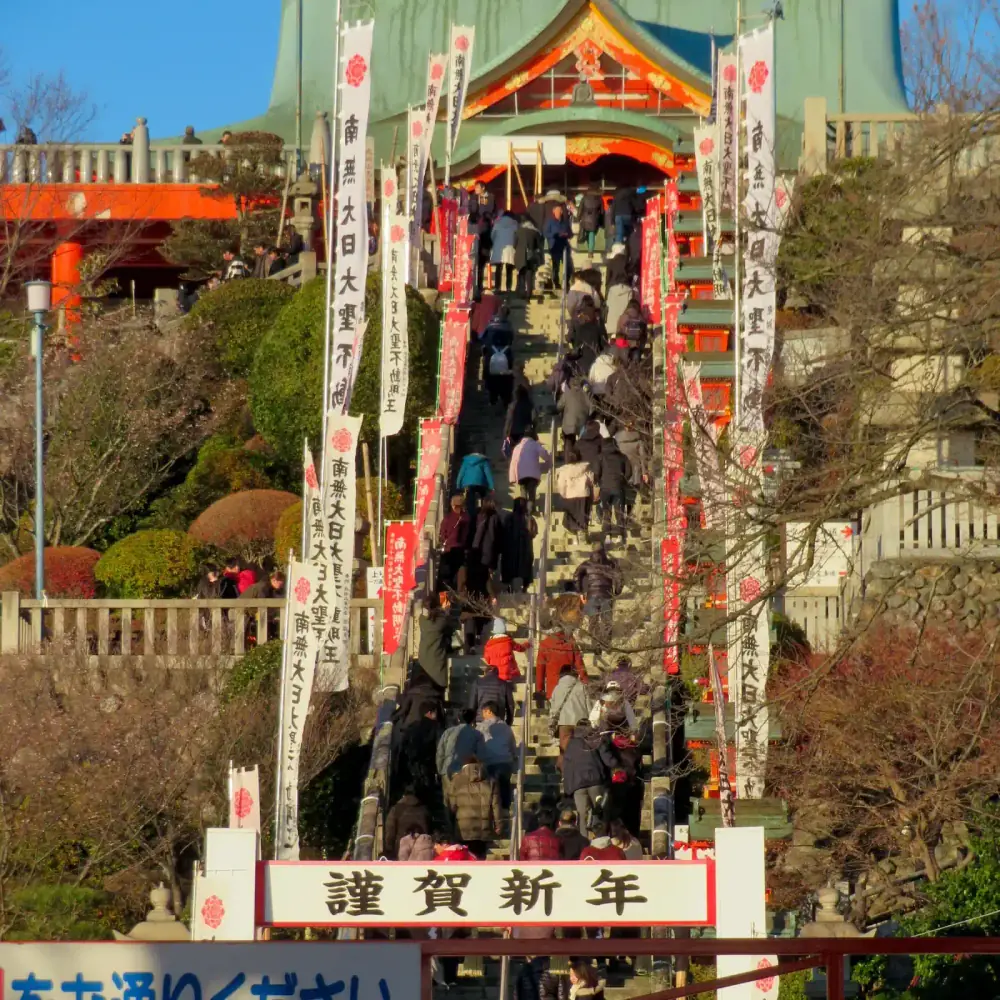
Shichifukujin New Year
Moderate crowdsLate Dec - Early Jan * Week
Japan's New Year (Oshogatsu) — shrine visits, lucky decorations, and family feasts. By New Year's Eve, most shops and attractions close until Jan 3.
Travel Tips
- Prices stay high but crowds thin after Jan 3.
- See the first-sunrise (hatsu-hinode) at a coastal spot like Mt Takao.
Festival Travel Survival Tips
The Two 'Extreme' Peaks
Golden Week (late April-May 5) and Obon (mid-August) shut down everyday life. Trains sell out, hotels triple, prices surge. Avoid travel during these weeks, or book 4-6 months ahead.
Plan Around Seasons, Not In
The best strategy: arrive 5-7 days after sakura peak or after Golden Week. You get near-perfect weather with crowds 60-80% lower and hotels at shoulder-season prices.
Cultural Festivals Are Worth It
Gion Matsuri, Nebuta, and fireworks (hanabi) have manageable crowds compared to sakura and offer the deepest, most joyful Japanese experiences — the ones you'll talk about for years.