Kyoto has more “must-see” lists than any city has sights worth seeing. This one is different: a straight ranking, from genuinely essential to skip-it, based on an actual visit rather than which spots photograph well from one angle. See our Kyoto region guide for logistics and timing.
Essential
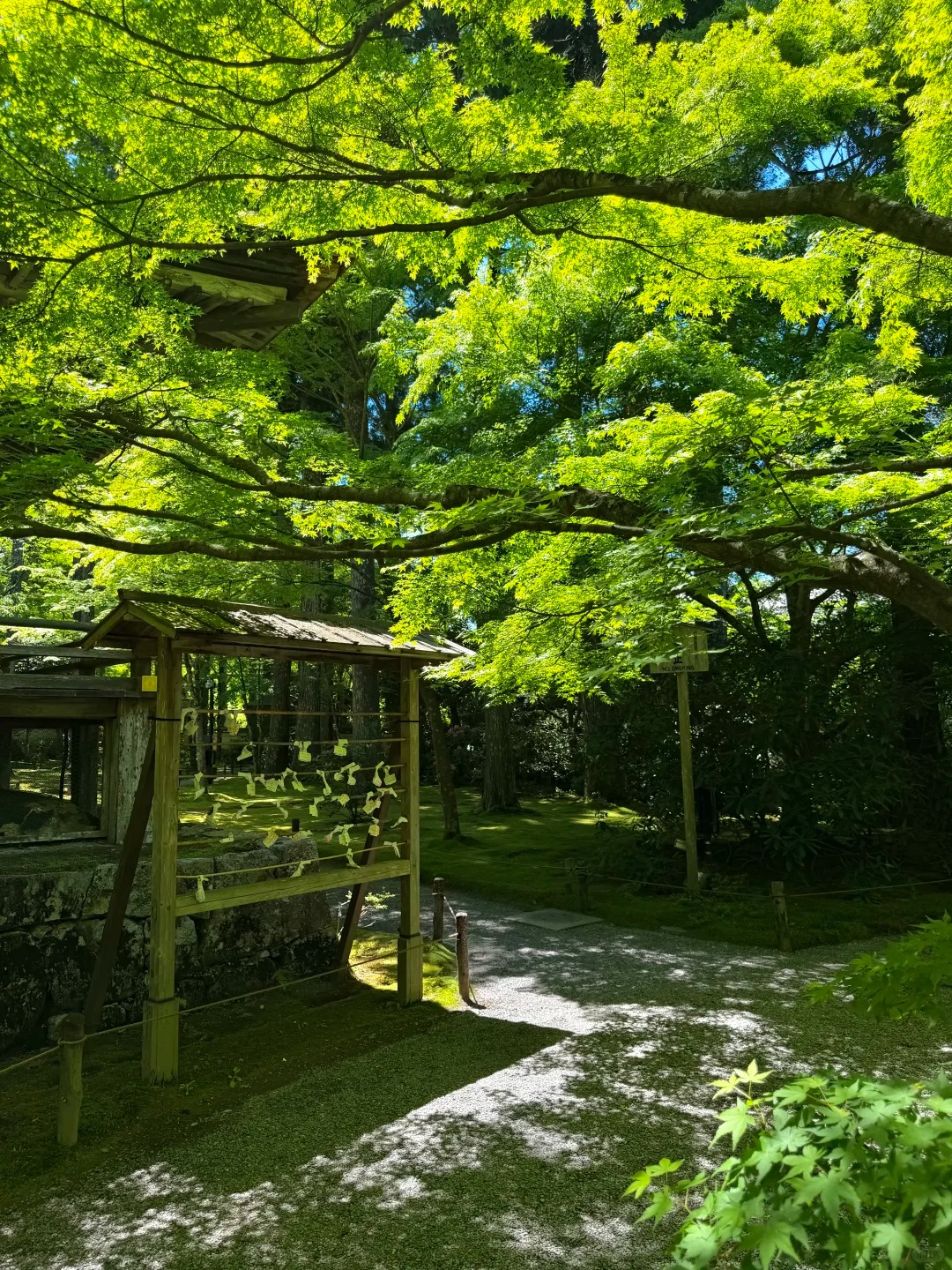
Sanzen-in — Modest admission, a large grounds, and a wall of green moss and maple that catches most first-time visitors off guard. Atmospheric enough to justify paying extra for the tea-seating area if you want to sit with the view rather than just walk through. Expect a queue for it on busy days.
Kiyomizu-dera — Modest admission for a genuinely large complex, and the classic wooden-stage photo angle is famous for a reason. One of the few “iconic” Kyoto sights that’s still worth the crowds.
Excellent
Fushimi Inari Taisha — Free to enter, and the single best backdrop in the city if you’re wearing a kimono. The thousand-torii-gate walk is the most photographed thing in Kyoto and still delivers in person.
Jojakko-ji — A paid, hillside temple garden with water, trees, and genuine elevation change — climb to the top and you get a real view over the rooftops toward the city. Underrated relative to its neighbors in Arashiyama.
Ninenzaka & Sannenzaka — Free, and the classic preserved-streets photo stop. Go early or late to actually get the empty-street shot instead of a crowd.
Good — With the Right Timing
Kifune Shrine — Free, small, and entirely dependent on when you go. Arrive at dusk when the stone-lantern approach is lit and the day-trip crowds have thinned, and it’s one of the prettier short visits in the area. Try the water-revealed fortune slips (mizuura mikuji) while you’re there.
Yasaka Shrine — Free, and best specifically in the evening once the lanterns are lit — during the day it’s a pass-through, not a destination.
Overhyped
Gio-ji — Priced high for how small it is. The moss garden — thick enough to look like a blanket over the ground — is the one reason to go; everything else is a quick walk-through.
Skip It
Arashiyama Bamboo Grove — It’s bamboo, and a lot of other people trying to photograph the same bamboo. Doesn’t translate to a good photo in person the way it does in wide-angle shots online.
Yusaitei — A small guesthouse built around a single viral photo spot (a glass tank reflection), heavily oversold by social media relative to what’s actually there — one shot, then you’re done.
Rurikoin — High admission for a small building built around one photo spot: the reflection table. It’s also only open seasonally (spring and autumn), and an evening visit can feel more dim and closed-in than the photos suggest.
Togetsukyo Bridge — Consistently crowded, and the Katsura River underneath is often a cloudy green-brown rather than the clear blue you see in edited photos.
Philosopher’s Path — Skip entirely outside cherry blossom season. It’s a canal lined with cherry trees — no blossoms, no real reason to walk it.