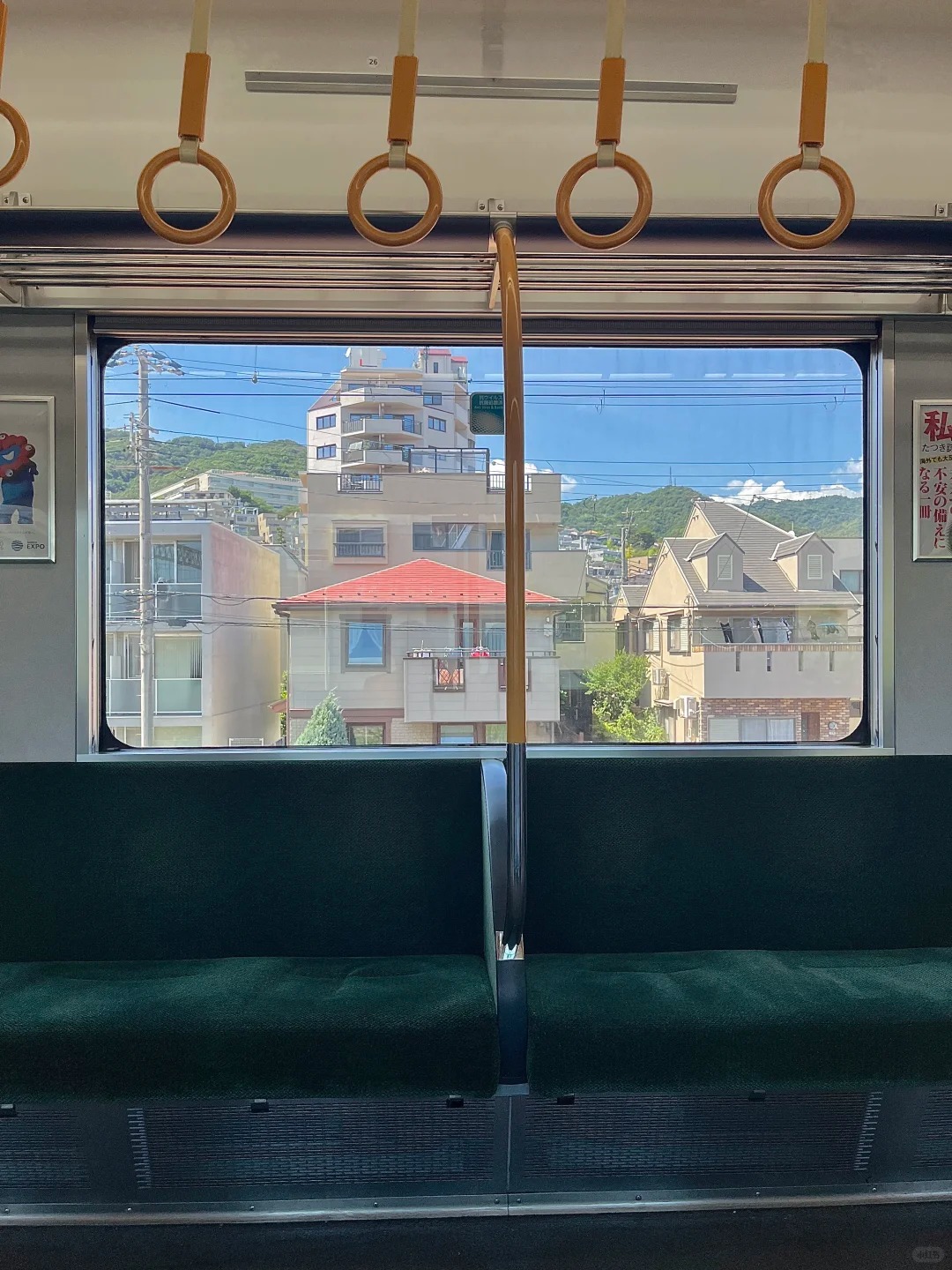
Japan’s rail network looks intimidating — dozens of overlapping lines, multiple operators — but it’s one of the most tourist-friendly systems in the world once you know a few things.
Get an IC card first
Suica or Pasmo — interchangeable almost everywhere, tap-to-pay on trains, subways, buses, and konbini. Add to Apple/Google Wallet before landing, or buy a physical card at any station (small refundable deposit). Simpler than working out individual fares.
IC card vs. JR Pass
The JR Pass covers unlimited JR rides (including most Shinkansen) for a fixed number of days — worth it for multiple long-distance legs (e.g. Tokyo → Kyoto → Hiroshima). Staying mostly in one or two cities? An IC card alone is usually cheaper and more flexible. Compare your planned long-distance fares against the pass price before buying.
Reading a platform
- Local vs. rapid vs. express trains can share a platform and line name but skip different stations — check the train’s display, not just the platform.
- Car numbers marked on the floor show where each car stops — useful for lining up near your exit.
- Women-only cars run on some lines during weekday rush hours (pink signage) — respect this regardless.
Boarded the wrong train?
Get off at the next stop, cross the platform, go back. IC cards charge by actual distance tapped, so there’s no penalty for backtracking. Uniformed station staff near the ticket gates are used to helping confused travelers.
Rush hour is real
Weekdays ~7:30-9:30 and 17:30-19:30 in Tokyo/Osaka get genuinely crowded. Shift long rides outside these windows if you can.
Reserved Shinkansen seats
Reserved (shitei-seki) and non-reserved (jiyu-seki) cost about the same. Reserve during peak periods (holidays, sakura, koyo weekends) when non-reserved cars can fill entirely. Otherwise, non-reserved is fine and more flexible.